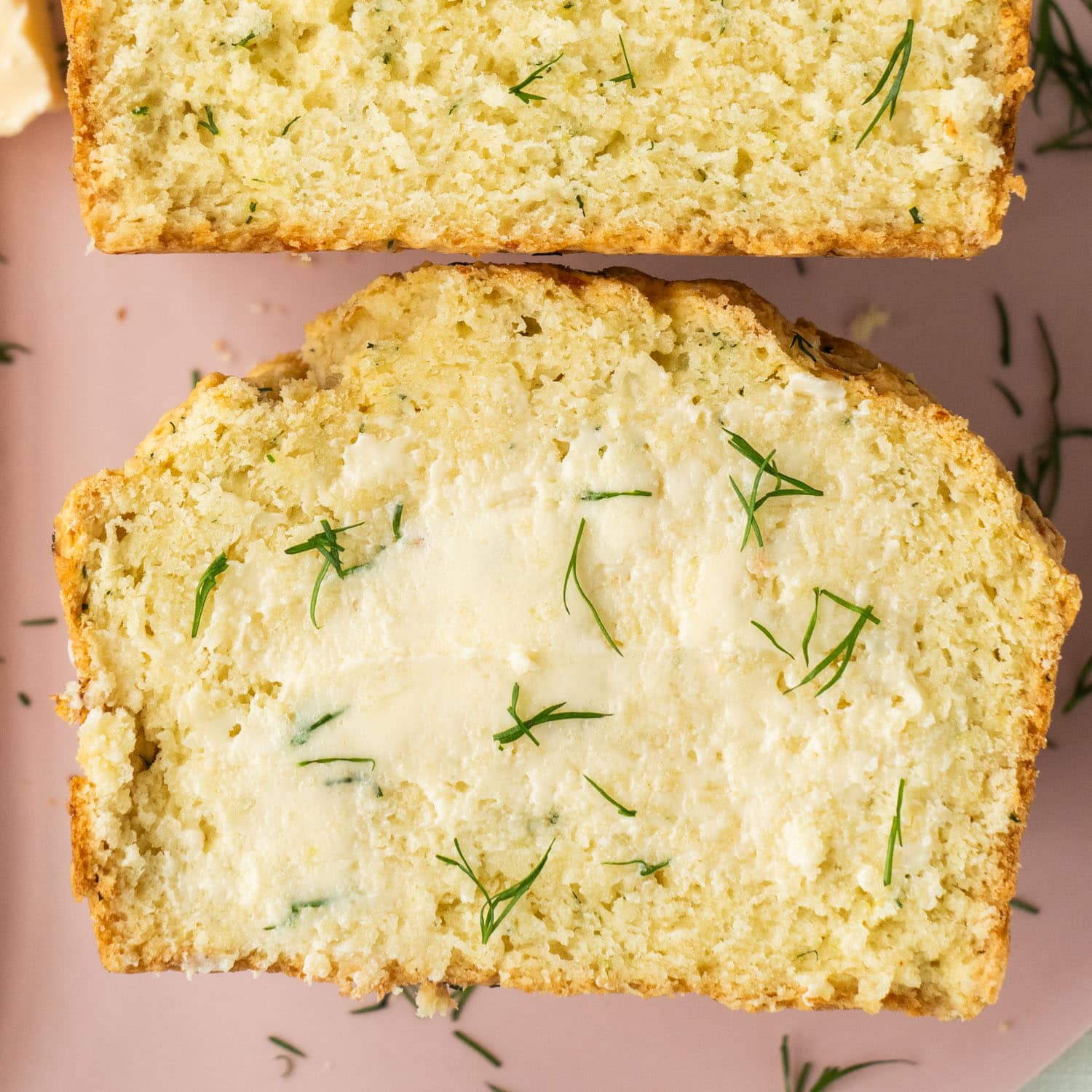
The Secret to Unlocking Truly So Soft Cottage Cheese Dill Bread
There are few culinary delights as comforting and rewarding as a slice of freshly baked homemade bread. The aroma alone can transport you, and the first bite of a tender, flavorful loaf is pure bliss. Among the myriad of bread recipes, one stands out for its exceptional texture and herbaceous charm: easy homemade cottage cheese dill bread. But what exactly is the secret behind its acclaimed so soft cottage cheese dill bread texture? Let's dive into the magic that transforms simple ingredients into an extraordinary loaf.
This isn't just any bread; it's a wonderfully fluffy and tender creation, renowned for its incredible softness that makes it perfect for everything from breakfast toast to hearty sandwiches. Whether you're a seasoned baker or just dipping your toes into the world of yeast breads, this particular recipe is remarkably forgiving and guarantees a delightful result every time.
The Culinary Alchemy: Why Cottage Cheese is Your Softness Secret Weapon
The star ingredient, and indeed the secret to the bread's unparalleled tenderness, is cottage cheese. While it might seem an unconventional addition to a bread recipe, its impact is profound. Here's why it works culinary magic:
- Moisture Richness: Cottage cheese is naturally high in moisture. This moisture is slowly released during baking, creating steam within the dough that helps to keep the crumb incredibly tender and prevents it from drying out. The result is a loaf that remains moist and palatable for days.
- Fat Content: The fat present in cottage cheese contributes to a richer, more supple dough. Fat coats gluten strands, preventing them from forming too rigid a network, which in turn leads to a softer, more pliable texture. It's similar to how butter or oil contributes to the tenderness of other baked goods.
- Protein Structure: The proteins in cottage cheese add to the overall structure and richness of the dough. These proteins interact with the gluten, contributing to a finer, more even crumb that feels delicate rather than dense.
- Subtle Tang and Flavor: Beyond texture, cottage cheese also imparts a subtle, pleasant tang to the bread, complementing the fresh dill beautifully without overpowering it. This nuanced flavor profile adds another layer of complexity that elevates the simple dill bread.
If you find yourself without cottage cheese or simply wish to experiment, ricotta cheese can make a fantastic substitute, offering a similar creaminess and moisture content that will still yield a wonderfully soft loaf. However, for that authentic so soft cottage cheese dill bread experience, sticking with the original is highly recommended.
Crafting Your Loaf: A Beginner-Friendly Baking Journey
One of the most appealing aspects of so soft cottage cheese dill bread is its simplicity. This isn't a recipe that demands hours of complex kneading or intricate shaping. As many home bakers attest, it often boils down to a straightforward "mix, pour, and bake" process, making it an ideal entry point for anyone new to baking with yeast.
The journey begins with activating your yeast. If you're using active dry yeast, a quick proofing step in warm water with a pinch of sugar is essential. This allows the yeast to "wake up" and ensures your bread will rise beautifully. Instant yeast, on the other hand, can often be mixed directly with the dry ingredients, streamlining the process even further. Once your yeast is ready, you'll combine it with the cottage cheese, flour, fresh dill, and other staple ingredients in a bowl. The dough comes together easily, often requiring minimal handling.
After mixing, the dough typically goes straight into a greased loaf pan for its first rise. This is where patience pays off! Remember that rising times can vary significantly based on the temperature of your kitchen and the dough itself. Instead of strictly adhering to a clock, look for visual cues: the dough should double in size, or extend noticeably beyond the top of your loaf pan. This visual confirmation is your best indicator that the dough is ready for baking. Once risen, it's into the oven, and soon your kitchen will be filled with the irresistible aroma of freshly baked dill bread.
For more detailed step-by-step instructions tailored for novices, be sure to check out our guide on Easy Homemade Cottage Cheese Dill Bread for Beginners.
Beyond the Basics: Customizing and Serving Your So Soft Cottage Cheese Dill Bread
The versatility of so soft cottage cheese dill bread is another reason for its enduring popularity. While delightful on its own, it truly shines when paired with various toppings and uses. Here are some ideas to inspire you:
- Classic Spreads: The simplest pleasures are often the best. A generous slather of creamy butter, a dollop of cream cheese, or a rich whipped herb butter instantly elevates a slice.
- Savory Pairings: For a delightful crunch and tang, follow the lead of many enthusiasts and serve it with slices of dill pickles. It's a surprisingly addictive combination! This bread also makes an incredible base for various sandwiches—think turkey and Swiss, ham and cheddar, or even a gourmet grilled cheese where the dill flavor complements the melted cheese beautifully.
- Breakfast & Brunch: Toasting slices in the morning brings out an even deeper flavor and a slight crispness on the exterior, while retaining the interior softness. Serve it alongside eggs, bacon, or a fresh fruit salad for a complete meal.
- Accompaniment: Its tender texture and savory flavor make it an excellent companion to soups, stews, and salads. Tear off a piece to sop up delicious broths or use it as a base for open-faced canapés.
Don't be afraid to get creative with additions to the dough itself. A touch of garlic powder or onion powder can enhance the savory profile, and a sprinkle of black pepper can add a subtle kick. For an even richer loaf, consider adding some shredded cheddar or Parmesan cheese directly into the dough before baking. The possibilities are endless when it comes to personalizing your homemade cottage cheese dill bread: recipe & serving ideas.
Storage and Freezing: Enjoying Your Bread for Longer
Once you've baked your delicious so soft cottage cheese dill bread, you'll want to ensure you can enjoy its freshness for as long as possible. Proper storage is key:
- Room Temperature: For immediate consumption, wrap the cooled loaf tightly in plastic wrap or store it in a plastic bag on your counter. It will remain wonderfully soft and fresh for up to 3 days.
- Freezing for Longer Enjoyment: This bread freezes exceptionally well, making it perfect for preparing extra loaves. To freeze, allow the bread to cool completely to room temperature. This is crucial to prevent ice crystals from forming. Once cool, wrap the loaf tightly in a layer of plastic wrap, followed by a layer of aluminum foil. For extra protection against freezer burn, place the wrapped loaf inside a freezer-safe bag. Frozen dill bread can be stored for up to 3 months. When you're ready to enjoy it, simply thaw it at room temperature, or slice and toast directly from frozen for a quick treat.
Embrace the Softness: A Bread Worth Baking
The secret to so soft cottage cheese dill bread is truly a testament to how simple ingredients, thoughtfully combined, can yield extraordinary results. The humble cottage cheese transforms an already flavorful dill bread into a masterpiece of tenderness, making it a favorite for home bakers and bread lovers alike. Its ease of preparation, combined with its versatile applications and impressive staying power, makes it an essential recipe for any kitchen. So, gather your ingredients, embrace the joy of baking, and prepare to be delighted by a loaf that is not just bread, but a truly soft, flavorful, and comforting experience.
