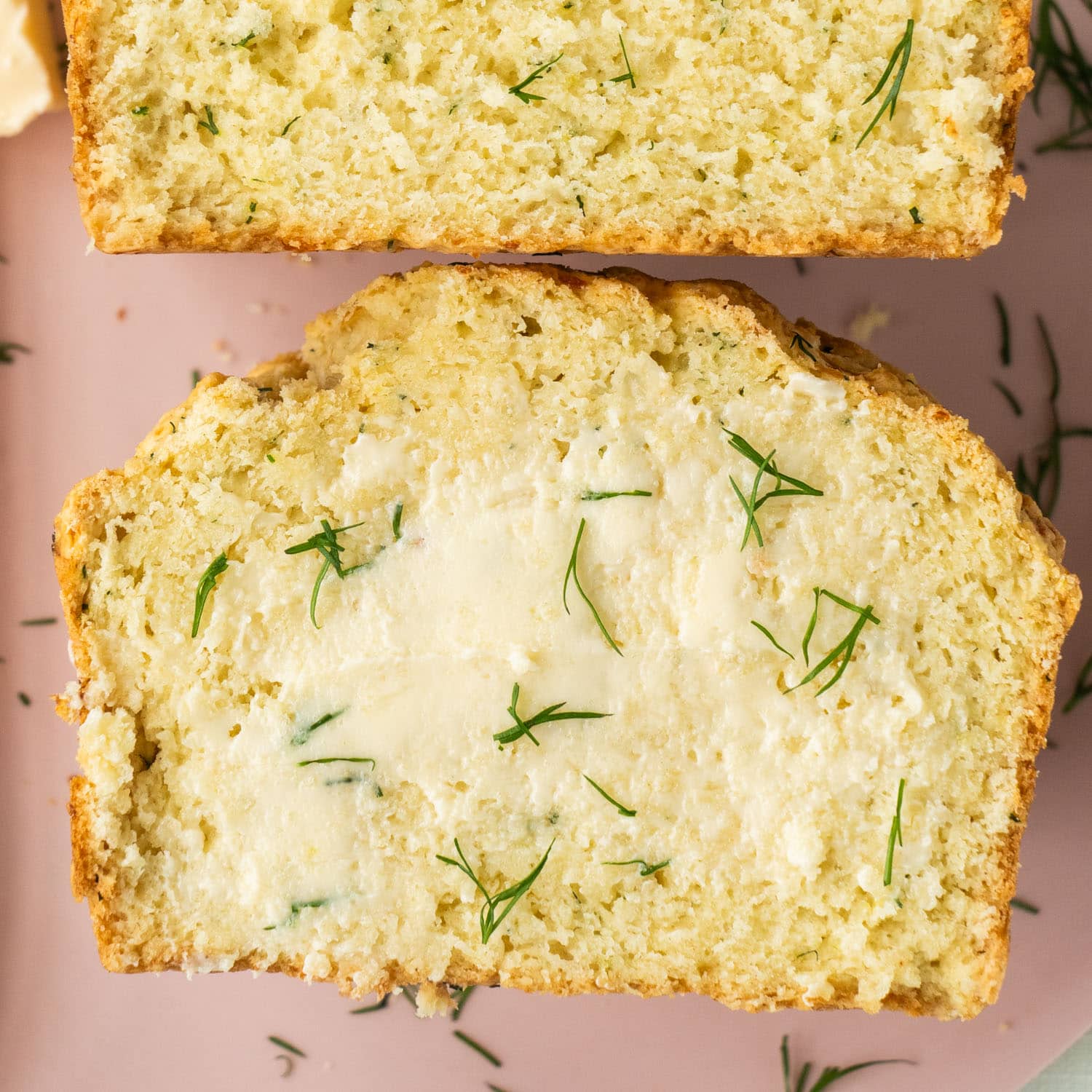
Embark on a Delicious Journey: Easy Homemade Cottage Cheese Dill Bread for Beginners
There's a unique satisfaction that comes with baking your own bread, and for many, the thought of yeast and rising dough can be daunting. But what if we told you there's an incredibly simple recipe that consistently delivers a loaf so incredibly tender, so fluffy, and bursting with fresh flavor, even a complete novice can master it? Enter the world of homemade cottage cheese dill bread, a truly transformative baking experience designed for beginners. This isn't just any bread; it's a testament to how simple ingredients can create something extraordinary – a genuinely
so soft cottage cheese dill bread that will become a staple in your kitchen.
Imagine the aroma filling your home: the subtle tang of cottage cheese mingling with the bright, herbaceous notes of fresh dill. This easy-to-follow recipe demystifies bread making, proving that delicious, artisanal-quality bread is well within your reach. Whether you're looking for a delightful snack, a versatile sandwich base, or a comforting side for your meals, this dill bread is your answer.
The Secret Weapon: Why Cottage Cheese Makes Bread So Soft
The magic behind the incredibly fluffy and tender texture of this dill bread lies in one unassuming ingredient: cottage cheese. It’s the unsung hero, quietly working wonders to transform a simple bread dough into something truly remarkable. But how does it achieve this coveted
so soft cottage cheese dill bread quality?
Cottage cheese contributes to the bread's tenderness in several ways:
- Moisture Content: Cottage cheese has a high moisture content, which it slowly releases into the dough during mixing and baking. This additional moisture keeps the bread from drying out, resulting in a significantly softer crumb that stays fresh longer.
- Fat for Tenderness: The inherent fat in cottage cheese (even low-fat varieties contribute some) enriches the dough. Fat coats the gluten strands, preventing them from developing too much, which can lead to a chewy or tough texture. The result is a more delicate and melt-in-your-mouth crumb.
- Protein for Structure and Softness: The proteins in cottage cheese help create a strong yet pliable gluten structure, contributing to the bread's ability to rise beautifully while maintaining its signature softness.
- Subtle Tang and Flavor: Beyond texture, cottage cheese imparts a mild, pleasant tang that complements the fresh dill beautifully, adding depth and complexity to the bread's overall flavor profile without being overpowering.
This combination of moisture, fat, and protein makes cottage cheese an ideal ingredient for achieving that coveted light and airy consistency. While the primary focus here is on cottage cheese, it's worth noting that ricotta cheese can also be used as a substitute, offering a similar tenderizing effect with its own unique subtle flavor. For those curious about the science behind this magic, you can delve deeper into
The Secret to So Soft Cottage Cheese Dill Bread.
A Beginner's Guide to Baking This Dream Loaf
Creating this delightful dill bread is far less intimidating than you might imagine. With a few simple steps and an understanding of key techniques, you’ll be pulling a warm, aromatic loaf from your oven in no time.
Essential Ingredients & Tools:
Before you begin, gather your essentials. The beauty of this recipe lies in its use of common pantry staples:
- All-Purpose Flour: The foundation of our loaf. No need for fancy bread flour here!
- Yeast: Crucial for the rise. You'll likely use active dry or instant yeast.
- Warm Water: The perfect temperature is key for activating yeast. Aim for around 105-115°F (40-46°C).
- Sugar: A little sugar feeds the yeast and helps with browning.
- Salt: Enhances flavor and regulates yeast activity.
- Cottage Cheese: Your secret ingredient for ultimate softness.
- Fresh Dill: The star flavor! Don't skimp on fresh dill for the best taste. Chopped fresh chives can also make a lovely substitute if dill isn't available.
- Butter or Oil: For richness and a tender crumb.
You'll also need a standard 9x5 inch loaf pan, a large mixing bowl, measuring cups and spoons, and a whisk or spatula.
Step-by-Step Baking Process:
- Activate the Yeast (if using active dry): If you're using active dry yeast, this step is vital. In your large bowl, combine the warm water and a pinch of sugar. Sprinkle the yeast over the water and let it sit for about 5-10 minutes. It should become foamy and bubbly, indicating it's alive and ready to work! If using instant yeast, you can often skip this step and mix it directly with your dry ingredients, though a quick proof never hurts.
- Combine Wet Ingredients: Once your yeast is active (or if using instant yeast), stir in the cottage cheese, melted butter (or oil), remaining sugar, and salt until well combined.
- Gradually Add Flour: Begin adding the flour, one cup at a time, mixing until just combined after each addition. The dough will be shaggy at first.
- Incorporate Fresh Dill: Once most of the flour is incorporated, fold in the fresh chopped dill. Continue adding flour until a soft, slightly sticky dough forms. Avoid adding too much flour, as this can lead to a dry loaf.
- Knead (Lightly!): This dough doesn't require extensive kneading. A light knead for 3-5 minutes on a floured surface is usually sufficient to develop enough gluten for a good rise and texture. The goal is a smooth, elastic dough.
- First Rise: Place the dough back in the lightly oiled bowl, turning once to coat. Cover the bowl with plastic wrap or a clean kitchen towel and place it in a warm, draft-free spot. Let it rise until it has doubled in size, which typically takes 1 to 1.5 hours, but remember that visual cues (doubled in size) are more important than strict timing, as kitchen temperatures vary.
- Shape and Second Rise: Gently punch down the risen dough to release the air. On a lightly floured surface, gently shape the dough into a loaf and place it seam-side down in your greased loaf pan. Cover again and let it rise for a second time, usually about 30-45 minutes, or until the dough has extended just beyond the top of the loaf pan.
- Bake: Preheat your oven to 375°F (190°C). Bake the bread for 30-40 minutes, or until golden brown on top and the internal temperature reaches 200-210°F (93-99°C). A simple tap on the bottom of the loaf should sound hollow if it's fully baked.
- Cool: This is a crucial step! Remove the bread from the pan immediately and let it cool completely on a wire rack before slicing. Slicing too soon can result in a gummy texture.
Serving Suggestions & Storage Tips for Your So Soft Cottage Cheese Dill Bread
Once your magnificent loaf of
so soft cottage cheese dill bread is baked and cooled, the real fun begins: enjoying it! The versatility of this bread is one of its greatest assets, making it perfect for almost any occasion.
Delightful Serving Ideas:
- Classic Spreads: The simplest pleasures are often the best. Serve thick slices warm with a generous smear of unsalted butter. For a richer experience, a dollop of cream cheese is divine.
- Pickle Perfection: As recommended by seasoned bakers, don't underestimate the magic of dill bread with fresh dill pickle slices! The tangy crunch of the pickle beautifully complements the soft, herbaceous bread.
- Sandwich Star: This bread makes an exceptional foundation for sandwiches. Think turkey and Swiss, ham and cheddar, or even a simple grilled cheese. The tender crumb holds up well without being too dense.
- Morning Toast: Elevate your breakfast routine by toasting a slice and topping it with a poached egg, avocado, or a sprinkle of everything bagel seasoning.
- Soup & Salad Companion: Serve slices alongside a hearty bowl of tomato soup, chicken noodle, or a crisp garden salad for a comforting and complete meal.
- Bruschetta Base: Lightly toast slices, rub with garlic, and top with fresh diced tomatoes, basil, and a drizzle of balsamic glaze for an unexpected appetizer.
For more creative pairings and detailed recipe variations, explore
Homemade Cottage Cheese Dill Bread: Recipe & Serving Ideas.
Storage for Lasting Freshness:
One of the best things about homemade bread is enjoying it over several days. Here's how to keep your cottage cheese dill bread fresh:
- Countertop Storage (Up to 3 Days): Once completely cool, wrap the loaf tightly in plastic wrap or store it in an airtight plastic bag. This will prevent it from drying out and keep it wonderfully soft for up to three days at room temperature.
- Freezing for Longer Enjoyment (Up to 3 Months): If you’d like to make a couple of loaves to freeze, or simply save some for later, allow the bread to cool completely. Wrap the entire loaf (or individual slices) first in a layer of plastic wrap, then tightly in aluminum foil, and finally place it in a freezer-safe bag. This triple layer protects against freezer burn. When ready to enjoy, simply thaw at room temperature. You can refresh a frozen loaf by warming it in a preheated oven (300°F/150°C) for 10-15 minutes until warmed through and crusty again.
Proper storage ensures that every slice retains its delightful *so soft* texture and fresh dill flavor, ready for whenever a craving strikes.
Conclusion
Baking homemade bread doesn't have to be an intimidating endeavor. This easy cottage cheese dill bread recipe is a perfect entry point for beginners, proving that you can achieve an incredibly fluffy, flavorful, and
so soft cottage cheese dill bread with minimal fuss. The unique properties of cottage cheese are the secret to its tender crumb, making every bite a delight. From the simple mixing to the triumphant aroma filling your kitchen, this recipe offers a deeply satisfying baking experience. So, grab your ingredients, embrace the process, and prepare to impress yourself and your loved ones with this truly irresistible loaf. Happy baking!