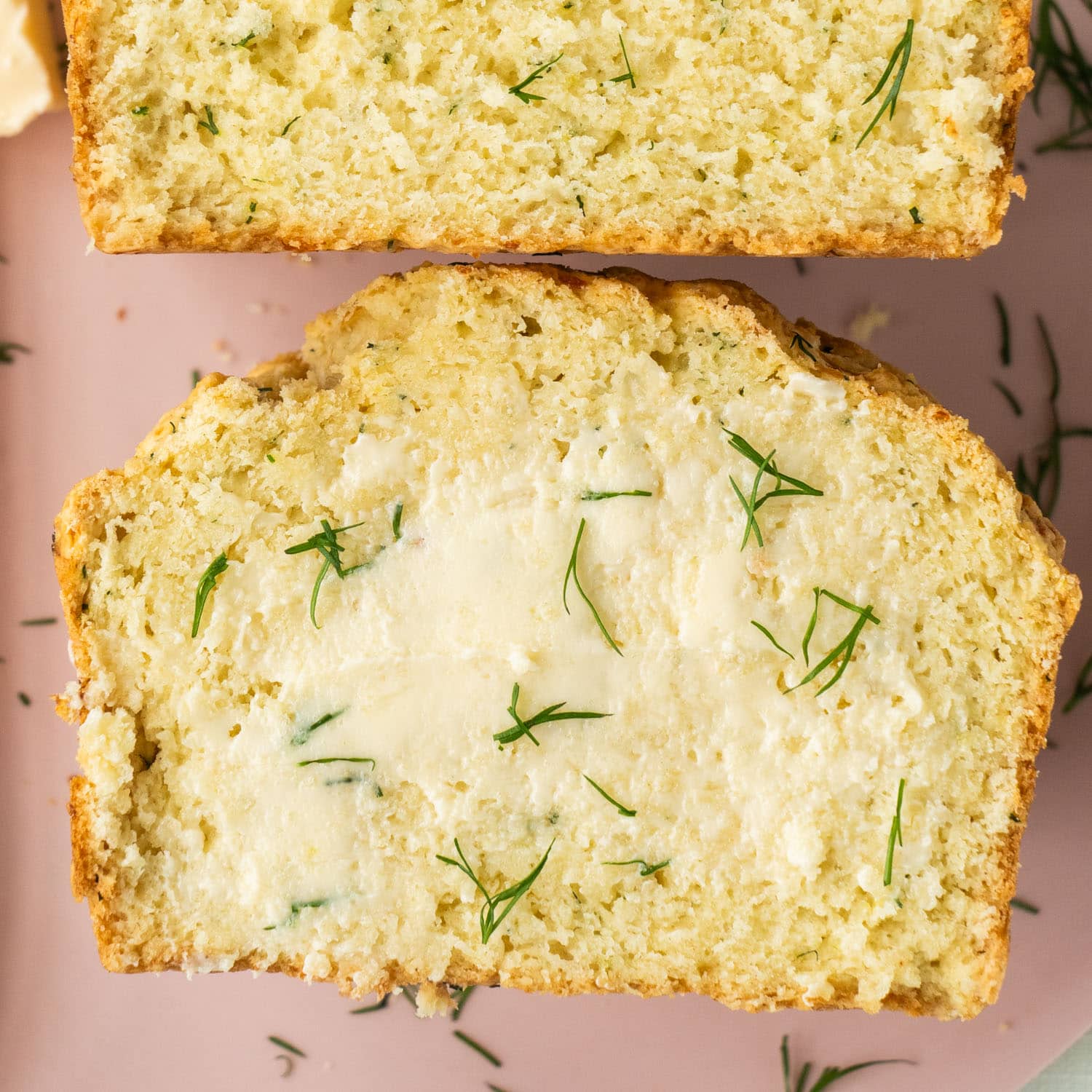
Unlock the Secret to Homemade Delight: So Soft Cottage Cheese Dill Bread
There’s a unique satisfaction that comes from baking bread at home – the intoxicating aroma filling your kitchen, the warmth of a fresh loaf, and the unparalleled taste of something made with your own hands. Among the countless bread variations, homemade cottage cheese dill bread stands out for its incredible tenderness and vibrant flavor. If you've ever yearned for a bread that's not just delicious but also unbelievably fluffy, you're in the right place. We're diving deep into the world of homemade cottage cheese dill bread, exploring what makes it
so soft, how to master its simple preparation, and creative ways to enjoy every slice.
This isn't just another bread recipe; it's an invitation to experience baking joy, resulting in a loaf that’s perfect for everything from morning toast to sophisticated sandwiches. The secret, as you'll soon discover, lies in one unexpected ingredient that transforms ordinary dough into an extraordinary culinary experience.
The Magic Behind the Mellowness: Why Cottage Cheese?
The star ingredient that elevates this dill bread from good to truly exceptional is, of course, cottage cheese. Many might wonder, "Why cottage cheese in bread?" The answer lies in its unique composition, which works wonders on the dough's texture. Cottage cheese, with its high moisture content and delicate fat, acts as a natural tenderizer. Unlike water or milk alone, the curds of cottage cheese slowly release moisture during the baking process, keeping the bread exceptionally hydrated. This internal hydration prevents the bread from drying out, resulting in a crumb that is consistently moist and incredibly tender.
Furthermore, the subtle acidity of cottage cheese can interact with the yeast, potentially enhancing its activity and contributing to a lighter, airier structure. The proteins in cottage cheese also play a role, helping to create a stable yet flexible gluten network, which is crucial for achieving that desirable "so soft" texture. It's this beautiful interplay of moisture, fat, and protein that makes your homemade cottage cheese dill bread not just soft, but truly pillowy and delightful. The slight tangy note from the cheese also adds a nuanced depth of flavor that complements the fresh dill perfectly, creating a taste profile that is both comforting and invigorating.
Crafting Your Loaf: A Simple Step-by-Step Guide
One of the most appealing aspects of homemade cottage cheese dill bread is its surprising simplicity, making it an excellent project for both seasoned bakers and those just embarking on their bread-making journey. This easy loaf comes together with minimal fuss, proving that you don't need to be a professional baker to create something truly spectacular.
To begin, you'll need standard bread ingredients: flour, yeast, sugar, salt, warm water, and of course, cottage cheese and plenty of fresh dill. For those new to yeast baking, understanding your yeast is key.
Instant yeast can typically be mixed directly with the dry ingredients, simplifying the process. However, if you're using
active dry yeast, it's best to proof it first. This means dissolving the yeast and a pinch of sugar in warm water (around 105-115°F or 40-46°C) for about 5-10 minutes until it becomes foamy. This step confirms your yeast is active and ready to work its magic. For a deeper dive into yeast specifics and achieving the perfect texture, you might find valuable insights in
The Secret to So Soft Cottage Cheese Dill Bread.
Once your yeast is ready, combine all ingredients in a large bowl. A stand mixer with a dough hook makes quick work of this, but mixing by hand is also perfectly feasible. The dough for this
so soft cottage cheese dill bread is often quite forgiving. After mixing until a cohesive dough forms, it’s time for the first rise. This is where patience pays off. Place the dough in a lightly oiled bowl, cover it, and let it rise in a warm, draft-free place until it has roughly doubled in size. This can take anywhere from 1 to 2 hours, depending on your kitchen's temperature. Remember, visual cues (doubled in size, domed and airy) are often more reliable than strict timings.
Once risen, gently punch down the dough to release the air, shape it into a loaf, and place it into a greased loaf pan for its second rise. This final rise is crucial for that characteristic fluffy texture. Allow it to rise until it extends noticeably above the rim of the pan. Finally, bake in a preheated oven until golden brown and hollow-sounding when tapped on the bottom. The aroma of baking dill bread alone is enough to make your mouth water! For a step-by-step guide tailored for novices, consider exploring
Easy Homemade Cottage Cheese Dill Bread for Beginners.
Beyond the Slice: Creative Serving Ideas for Your Dill Bread
While a warm slice of homemade cottage cheese dill bread straight from the oven, slathered with butter, is pure bliss, its versatility extends far beyond this simple pleasure. The vibrant flavor of dill and the tender crumb make it an excellent canvas for a myriad of culinary creations.
*
Classic Spreads: Beyond butter, consider a generous dollop of cream cheese – plain or whipped with a touch more fresh dill or chives for an extra herbaceous kick. Goat cheese or a garlic herb spread also pair beautifully with the bread's earthy notes.
*
Sandwich Perfection: The sturdy yet soft texture of this bread makes it ideal for sandwiches. Think elevated grilled cheese with sharp cheddar or Gruyere. It also creates a fantastic base for deli meats like turkey or ham, complemented by crisp lettuce and tomato. For a lighter option, try it with thinly sliced cucumber and a cream cheese spread.
*
Morning Toast & Brunch: Transform your breakfast routine. Toast a slice and top it with avocado and a sprinkle of red pepper flakes, or use it as a side for scrambled eggs. It's also delightful accompanying a smoked salmon and cream cheese bagel alternative, offering a lighter, savory base.
*
Soup & Salad Companion: Serve thick slices alongside a creamy tomato soup, a hearty lentil stew, or a vibrant green salad. The bread's ability to soak up rich flavors makes it a perfect complement to almost any comforting dish.
*
Savory Snacks & Appetizers: Cut into small cubes, toast lightly, and use as croutons for salads or soups. You can also make miniature open-faced sandwiches with various toppings for a sophisticated appetizer spread.
*
Unexpected Pairings: Don't be afraid to experiment! Try it with a scoop of tuna salad, egg salad, or even a simple cheese board. The dill bread offers a refreshing contrast to richer cheeses and charcuterie.
Maximizing Freshness: Storage and Freezing Tips
To ensure your homemade cottage cheese dill bread maintains its exquisite texture and flavor for as long as possible, proper storage is key. The good news is that this bread stores exceptionally well, allowing you to enjoy your baking efforts for days, or even months!
For short-term storage, wrap your cooled loaf tightly in plastic wrap or place it in an airtight plastic bag. Stored at room temperature on your counter, this method will keep your bread fresh and delightfully soft for up to three days. Keeping it away from direct sunlight and excessive heat will further prolong its shelf life.
If you've decided to bake multiple loaves (a highly recommended practice, given how quickly this bread disappears!), or simply want to savor that "freshly baked" taste at a later date, freezing is an excellent option. Allow the bread to cool completely before preparing it for the freezer. A crucial step for successful freezing is to wrap the loaf first in a layer of plastic wrap, then an additional layer of aluminum foil. This double-layer protection guards against freezer burn and helps preserve the bread's moisture and texture. Place the well-wrapped loaf into a freezer-safe bag to add another layer of defense. Frozen dill bread can last beautifully for up to three months.
When you're ready to enjoy a frozen loaf, simply remove it from the freezer and allow it to thaw at room temperature. For a truly fresh-baked experience, you can warm the thawed loaf in a preheated oven (around 350°F or 175°C) for 10-15 minutes, or until warmed through. This slight reheating will revive its aroma and soften the crust, making it taste almost as good as the day it was baked.
Conclusion
There's a simple, profound joy in baking a loaf of bread that truly delivers on its promise of softness, flavor, and versatility. Homemade cottage cheese dill bread, with its unbelievably tender crumb and herbaceous zest, is more than just a recipe; it's an experience. From the moment the aroma of fresh dill and warm yeast fills your kitchen to the first bite of that incredibly
so soft cottage cheese dill bread, you'll understand why this loaf becomes a staple in so many homes. Whether you're a seasoned baker or taking your first steps into the world of yeast, this recipe offers a rewarding journey with delicious results. Embrace the simple magic of cottage cheese and fresh dill, and prepare to delight your senses with every single, perfectly soft slice.